Top long-term care providers 2025 highlights the pivotal role of long-term care in our evolving healthcare landscape. As the demand for quality care grows, understanding the landscape of providers becomes essential for families and individuals seeking the best options. With various services and facilities available, it’s crucial to know which providers stand out in 2025.
This year is set to witness significant advancements in care services, driven by innovation and technology. From personalized care plans to telehealth integration, the best providers will not only meet the needs of their clients but exceed them, ensuring peace of mind for families and caregivers alike.
Long Term Care Overview

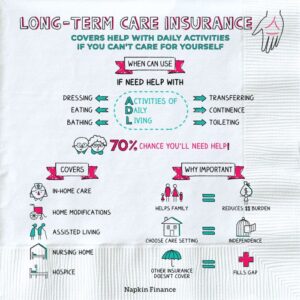
Long-term care refers to a broad range of services designed to meet the health or personal needs of individuals with chronic illnesses or disabilities. As the population ages and chronic health conditions become more prevalent, long-term care has become increasingly vital in health management. It encompasses a variety of support options that assist individuals in maintaining their independence, dignity, and quality of life.Long-term care services can be categorized into several types, each tailored to meet different needs.
These services may be provided in various settings, including at home, in community-based facilities, or in nursing homes. The key types include:
Types of Long-Term Care Services
Understanding the various types of long-term care services is crucial for selecting the appropriate care based on individual needs. The following list Artikels the primary categories of long-term care:
- Home Health Care: This involves medical and non-medical services delivered at home, allowing individuals to receive care in a familiar environment. Services may include nursing care, physical therapy, and assistance with daily activities.
- Assisted Living Facilities: These facilities provide a residential option for those who require assistance with daily tasks but do not need the intensive medical care offered in nursing homes. They usually offer meals, housekeeping, and social activities.
- Nursing Homes: Also known as skilled nursing facilities, these institutions provide 24-hour medical care for individuals who cannot live independently. They cater primarily to seniors and those with significant health issues.
- Palliative Care: This type of care focuses on providing relief from the symptoms and stress of serious illnesses. It can be provided alongside curative treatment and is centered around improving the quality of life.
- Adult Day Care: These programs offer care and companionship for seniors during the day. They provide a safe environment and can include social activities, meals, and health services.
The demand for long-term care services is projected to rise significantly as the population ages. According to the U.S. Department of Health and Human Services, about 70% of individuals over age 65 will require some form of long-term care in their lifetime. Additionally, the number of Americans aged 65 and older is expected to reach approximately 95 million by 2060, which translates to a staggering increase in the need for services.
The growing demand is related not only to the aging population but also to the increasing prevalence of chronic conditions such as diabetes, heart disease, and dementia.
“The future of long-term care will depend on our ability to understand and meet the evolving needs of our aging population.”
To illustrate this growing need, consider that in 2020, there were around 1.5 million residents in nursing homes in the U.S. This number is anticipated to rise as life expectancy increases and the baby boomer generation ages. Therefore, investment in and availability of diverse long-term care services are crucial for meeting the demands of the future.
Top Long-Term Care Providers of 2025
As we look ahead to 2025, the landscape of long-term care is evolving rapidly. With an increasing demand for quality elder care, several providers are emerging as leaders in the field. This discussion highlights the top long-term care providers anticipated to excel in this competitive environment, focusing on their services, facilities, and innovative practices being adopted to enhance care delivery.Leading long-term care providers are distinguished not just by their size, but by their commitment to delivering high-quality care tailored to the needs of their residents.
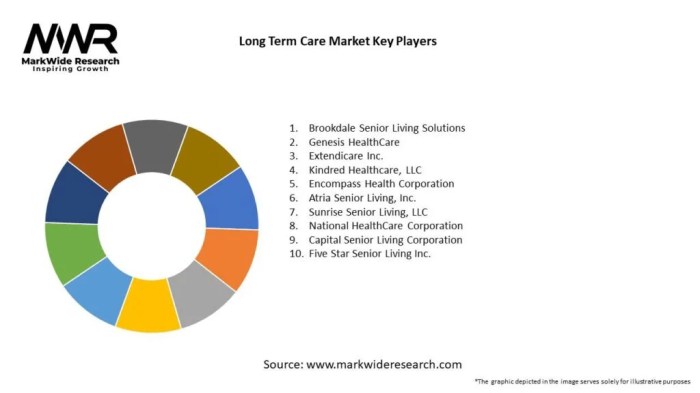
The year 2025 is expected to see significant advancements among providers such as Brookdale Senior Living, Amedisys, and Genesis HealthCare. Each of these organizations has developed a reputation for excellence by integrating state-of-the-art technologies and fostering environments that promote well-being.
Top Long-Term Care Providers
The following are some of the key long-term care providers anticipated to stand out in 2025:
- Brookdale Senior Living
-With over 700 facilities nationwide, Brookdale is known for its comprehensive services, including assisted living, memory care, and rehabilitation. They are integrating smart home technology to enhance safety and convenience for residents. - Amedisys
-Amedisys focuses on home health care and hospice services. They utilize telehealth solutions to provide continuous care and monitor patients remotely, ensuring timely interventions and reducing the need for hospital visits. - Genesis HealthCare
-With a nationwide network of skilled nursing facilities, Genesis emphasizes personalized care plans and has introduced virtual reality programs designed to engage residents mentally and physically.
The competitive edge of these providers lies not only in their extensive service offerings but also in their innovative approaches to care.
Innovative Practices and Technologies
As the demand for long-term care increases, providers are adopting innovative technologies and practices that improve the quality and efficiency of care. Below are some noteworthy advancements:
- Telehealth Services
-The rise of telehealth is transforming how providers deliver care, allowing for virtual check-ups and consultations. This ensures that medical professionals can monitor patients’ health without the need for physical visits. - Smart Technology Integration
-Many providers are incorporating smart home devices to enhance safety. For example, motion sensors and emergency alert systems help in monitoring resident activities and ensuring quick responses in emergencies. - Customized Care Plans
-Utilizing data analytics, providers are creating personalized care plans that cater to individual resident needs, thus enhancing the overall experience and outcomes for residents.
With these advancements, long-term care providers are not only improving service delivery but are also setting new standards for care in the industry. As we progress towards 2025, the commitment to innovation and excellence will undoubtedly shape the future of long-term care.
Trends Impacting Long Term Care
The landscape of long-term care is evolving rapidly due to a variety of trends that cater to the needs of an aging population and the advancements in technology. These trends not only redefine care delivery but also enhance the quality of life for residents. Understanding these shifts is crucial for providers and stakeholders in the industry to adapt and thrive.One significant trend is the increasing emphasis on personalized care.
As patients have diverse needs, tailored care plans are becoming more prevalent. This approach not only improves patient satisfaction but also enhances health outcomes. Additionally, the integration of holistic care models, which encompass physical, emotional, and social well-being, is on the rise, reflecting a more comprehensive view of health.
Role of Technology in Long Term Care
Technology is playing a transformative role in long-term care, revolutionizing the way services are delivered and monitored. Telehealth and remote monitoring systems are particularly impactful, allowing for continuous care without the need for frequent visits to healthcare facilities.Telehealth services enable healthcare providers to conduct virtual consultations, making it easier for residents to access medical advice and support from the comfort of their homes.
This is especially relevant for those with mobility issues or chronic illnesses who may find it challenging to travel. Furthermore, remote monitoring technologies, such as wearable devices and home sensors, allow for real-time tracking of vital signs, ensuring timely interventions when health issues arise.The implementation of electronic health records (EHR) systems is also noteworthy, as it streamlines communication among healthcare providers and enhances the accuracy of patient data.
These technological advances contribute not only to improved patient care but also to operational efficiencies within long-term care facilities.
Legislative Changes Affecting Long Term Care
Recent legislative changes significantly impact long-term care services and providers, shaping the regulatory landscape in which they operate. It is essential for stakeholders to stay informed about these developments to ensure compliance and adapt practices accordingly.Several key legislative changes include the following:
- Home and Community-Based Services (HCBS): Expanded funding and support for HCBS programs promote care in less restrictive environments, enhancing the quality of life for many individuals.
- Patient Protection and Affordable Care Act (ACA): Continued implementation of the ACA has implications for long-term care, particularly related to coverage and access to services for older adults.
- Medicaid Reform: Changes in Medicaid policies affect reimbursement rates and eligibility criteria, impacting how long-term care providers operate and deliver services.
- Workforce Development Initiatives: New policies aimed at improving the training and retention of healthcare workers address the growing workforce shortage in long-term care facilities.
These legislative shifts underscore the importance of adaptability and awareness within the long-term care sector, ensuring that providers can effectively meet the evolving needs of their clients while navigating regulatory requirements.
Last Recap
In conclusion, the journey through Top long-term care providers 2025 reveals an industry poised for transformation. As we embrace new technologies and adapt to changing demands, the focus remains on delivering high-quality, compassionate care. Choosing the right provider will be crucial for ensuring the well-being of individuals needing long-term support, making informed decisions more important than ever.
User Queries
What are the main types of long-term care services?
Main types include home health care, assisted living, nursing homes, and hospice care, each catering to different needs.
How do I choose a long-term care provider?
Consider factors such as the types of services offered, facility quality, staff qualifications, and reviews from other families.
What trends are shaping long-term care in 2025?
Key trends include increased telehealth options, personalized care, and innovative technology solutions improving patient outcomes.
How is technology impacting long-term care?
Technology enhances care through remote monitoring, telehealth consultations, and improved management of health records.
What legislative changes affect long-term care services?
Legislation may include changes in funding, regulations for facility operations, and new standards for patient care and safety.