Government programs for long-term care play a crucial role in ensuring that individuals receive the care they need as they age or face health challenges. With a variety of services available, these programs aim to provide support for both in-home care and facility-based options. Understanding how to navigate these programs can significantly impact the quality of life for those in need.
This overview delves into the different long-term care services available through government initiatives, eligibility criteria, and the essential benefits that such programs offer. From Medicaid to Medicare, we will discuss how these programs function and the support they provide to eligible individuals.
Overview of Government Programs for Long-Term Care

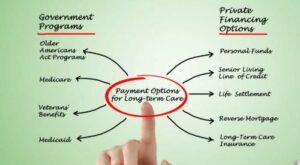
Government programs for long-term care play a crucial role in supporting individuals who require assistance due to aging, chronic illness, or disabilities. These programs are designed to provide comprehensive services that cater to the needs of these populations, ensuring they receive the necessary care and support. Understanding these programs can help families navigate the complex landscape of long-term care options available.Various government programs are available to assist with long-term care, primarily funded by federal and state governments.
The most notable among these is Medicaid, which offers health coverage for low-income individuals, including coverage for long-term care services. Another significant program is Medicare, which primarily serves seniors aged 65 and older, providing limited long-term care coverage. Additionally, the Veterans Affairs (VA) provides long-term care services for eligible veterans, including nursing home care and home healthcare options.
Eligibility Requirements for Government Programs
Eligibility for these programs varies based on income, assets, and specific personal circumstances. To qualify for Medicaid, individuals must meet strict income and asset limits, which can differ by state. Typically, applicants must have limited income and resources, with some states offering additional pathways for individuals who are medically needy. Medicare eligibility generally requires individuals to be 65 years of age or older or to have a qualifying disability.
The VA has its own eligibility criteria, focusing on service-related conditions and income levels.
Key Benefits Provided by Government-Funded Long-Term Care Services
Government-funded long-term care services offer a range of benefits that support individuals in need of care. These benefits can significantly ease the financial burden on families and provide access to necessary medical and personal care.
- Comprehensive Coverage: Government programs often cover a wide array of services, including nursing care, personal care assistance, and rehabilitation services, ensuring recipients receive holistic support for their needs.
- Affordability: Programs like Medicaid significantly reduce out-of-pocket expenses for long-term care, providing peace of mind for families concerned about the high costs associated with these services.
- Access to Specialized Care: Many government-funded programs facilitate access to specialized treatments and care options, particularly for individuals with complex health conditions.
- Support for Family Caregivers: Some programs offer resources and support for family members who serve as caregivers, including training, respite care, and financial assistance.
“Accessing government-funded long-term care services can be a lifeline for individuals and families navigating the challenges of aging and disability.”
Types of Long-Term Care Services Covered by Government Programs
Long-term care services provided by government programs play a crucial role in supporting individuals with chronic illnesses, disabilities, or age-related conditions. Understanding the various types of services available can help families make informed decisions about care options and financial planning. Government-funded programs offer a range of services, each tailored to meet specific needs, thereby enhancing the quality of life for recipients.There are two primary categories of long-term care services that government initiatives typically cover: in-home care services and facility-based care services.
Each category has its own set of offerings, pros, and cons, which are important for individuals and families to consider when planning for long-term care needs.
In-Home Care Services
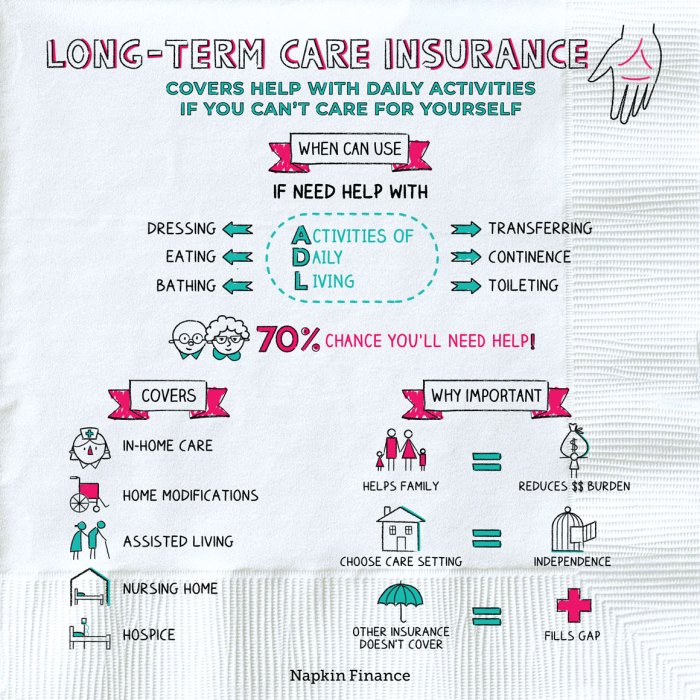
In-home care services allow individuals to receive help in the comfort of their own homes. This type of care is often preferred by those who wish to maintain their independence while managing their health needs. Government programs recognize the importance of supporting individuals in their own environment and offer various services, which include:
- Personal Care Assistance: Help with daily activities such as bathing, dressing, and grooming.
- Home Health Aide Services: Skilled professionals provide medical care, including medication management and monitoring vital signs.
- Respite Care: Temporary relief for family caregivers, allowing them to take breaks while ensuring that their loved ones receive care.
- Homemaker Services: Assistance with household tasks, including meal preparation, cleaning, and laundry.
- Physical and Occupational Therapy: Rehabilitation services delivered at home to help regain independence and improve quality of life.
The flexibility of in-home care can significantly improve an individual’s mental and emotional well-being, as familiar surroundings can be comforting during times of illness or recovery.
Facility-Based Care Services
Facility-based care services are designed for individuals who require a higher level of medical support or supervision, often due to severe health conditions or cognitive impairments. Government programs provide funding for various types of facility-based care, which include:
- Nursing Homes: 24/7 care provided by trained staff for individuals with complex medical needs or those unable to live independently.
- Assisted Living Facilities: A balance of independence and support, offering personal care services in a community setting.
- Memory Care Units: Specialized care for individuals with Alzheimer’s disease or other dementias, focusing on safety and cognitive support.
- Skilled Nursing Facilities (SNFs): Facilities providing comprehensive care, including rehabilitation services post-hospitalization.
Facility-based care can be essential for individuals who cannot receive adequate care at home, ensuring they have access to necessary medical attention and social interaction.
Role of Medicaid and Medicare in Long-Term Care Services
Medicaid and Medicare are two pivotal government programs that significantly impact the landscape of long-term care services. Each program has specific eligibility requirements and covers different aspects of long-term care.Medicaid is a state and federal program that provides health coverage for low-income individuals, including long-term care services. It primarily covers:
- Nursing Home Care: Comprehensive services in skilled nursing facilities for eligible individuals.
- Home and Community-Based Services: Funding for in-home care and other community services to support independent living.
Medicare, primarily known for its health insurance for individuals aged 65 and older, also plays a role in long-term care, though its coverage is limited compared to Medicaid. Key aspects include:
- Short-Term Rehabilitation: Coverage for skilled nursing care after a hospital stay, limited to a specific duration.
- Home Health Services: Coverage for intermittent home health care services, including skilled nursing and therapy.
Understanding the distinctions between these programs and their respective coverage can guide individuals and families in navigating the complexities of long-term care planning.
“Both Medicaid and Medicare serve essential roles in providing access to long-term care services, ensuring that individuals receive necessary support based on their financial situations and health needs.”
Accessing Government Long-Term Care Programs
Navigating the process of accessing government long-term care programs can seem daunting, but understanding the steps can ease the burden. These programs are designed to provide essential support to individuals needing long-term care, and knowing how to apply is the first step toward receiving assistance.Applying for government long-term care programs typically involves a series of steps that require careful attention to documentation and procedures.
It’s crucial to gather the necessary information and understand the requirements to ensure a smooth application process. The following sections will Artikel the essential documentation and provide a step-by-step guide for individuals seeking long-term care support.
Application Process for Long-Term Care Support
The application process for government long-term care programs generally follows a clear structure. Familiarizing yourself with the required steps can make the experience much more manageable.
1. Research Available Programs
Before applying, it’s important to identify the specific programs available in your area. Each program may have different eligibility criteria and benefits. Check local government websites or contact local agencies for guidance.
2. Gather Essential Documentation
To apply, you’ll need several important documents, which may include:
Proof of identity (e.g., government-issued ID)
Medical history records
Financial statements (income, assets)
Proof of residency
Any previous assessments related to care needs
3. Complete the Application Form
Most programs require a formal application form, which can often be found online or requested through local agencies. Be sure to fill out the form accurately and completely.
4. Submit Your Application
Once you have completed the application form and gathered all necessary documents, submit them according to the instructions provided. This could involve mailing the documents or submitting them online through designated portals.
5. Await Confirmation
After submission, you will receive a confirmation from the agency processing your application. This confirmation will include details on the next steps and any additional information you may need to provide.
6. Assessment of Needs
Many programs will require an assessment of your care needs. This may involve a home visit or medical evaluation to determine the level of support required.
7. Receive the Decision
Once your application and assessment are processed, you will receive a decision regarding your eligibility for the program. If approved, you will be provided with details about the services you can access and any next steps.
8. Appeal if Necessary
If your application is denied, you have the option to appeal the decision. Guidelines for the appeals process can usually be found in the documentation you receive.
Understanding the application process can significantly impact your ability to access necessary long-term care services.
Closing Summary
In summary, government programs for long-term care are invaluable resources that help countless individuals access necessary support and services. By understanding the variety of options available and the steps needed to apply, families can better prepare for the future. As we continue to explore these programs, the importance of informed decision-making cannot be overstated, ensuring that loved ones receive the best possible care.
Detailed FAQs
What types of long-term care services are available?
Services include in-home care, assisted living, nursing facilities, and rehabilitation services.
How do I know if I am eligible for these programs?
Eligibility typically depends on age, income, and care needs; specific criteria vary by program.
How do I apply for government long-term care programs?
Applications can usually be completed online or through local agencies; required documentation varies.
What is the difference between Medicaid and Medicare in long-term care?
Medicaid primarily assists low-income individuals with long-term care, while Medicare covers short-term rehabilitation and specific services.
Can family members be paid for providing care?
In some cases, Medicaid programs allow for family members to be compensated for providing care, depending on state regulations.